When you need to manage property, financial affairs, or legal matters in another country but cannot be there in person, a Power of Attorney (POA) becomes essential. However, foreign authorities, banks, and institutions typically will not accept a standard UK Power of Attorney without proper authentication. This is where notarisation by a qualified notary public becomes necessary.
This guide explains everything you need to know about getting a UK Power of Attorney notarised for international use, including the process, common pitfalls, timing considerations, and how to ensure your document is accepted abroad.
What Is a Power of Attorney?
A Power of Attorney is a legal document that allows you to appoint someone (known as your attorney or agent) to make decisions and act on your behalf. This can include managing bank accounts, buying or selling property, handling investments, or dealing with other legal and financial matters.
In the UK, there are different types of Power of Attorney:
- General Power of Attorney: Grants broad powers to handle your affairs while you retain mental capacity
- Lasting Power of Attorney (LPA): Continues even if you lose mental capacity, registered with the Office of the Public Guardian
- Ordinary Power of Attorney: Covers specific tasks or time periods
- Business Power of Attorney: Limited to commercial and business matters
When using a POA internationally, you will typically need a general or ordinary Power of Attorney specifically drafted for the purpose abroad, rather than an LPA which is UK-specific.
Why Does a Power of Attorney Need to Be Notarised?
Foreign countries operate under different legal systems and need assurance that documents created in the UK are genuine and legally valid. A notary public provides this assurance through a formal process of verification and certification.
Banks, property registries, government departments, and courts abroad require notarisation to:
- Verify the identity of the person granting the Power of Attorney (the principal)
- Confirm that the principal understands the document and is signing voluntarily
- Ensure the document complies with legal formalities
- Provide an official seal and signature recognised internationally
- Create an audit trail and deterrent against fraud
Without proper notarisation, foreign institutions will almost certainly reject your Power of Attorney, causing significant delays and potentially leaving your affairs unmanaged.
When Do You Need a Notarised Power of Attorney?
Common situations requiring a notarised UK Power of Attorney include:
Property Transactions Abroad
If you own property overseas and need someone to handle a sale, purchase, rental agreement, or mortgage on your behalf, foreign property registries and solicitors will require a notarised POA. This is particularly common for UK nationals with property in Spain, France, Portugal, Italy, and other European countries.
International Banking and Finance
Managing foreign bank accounts, investments, pensions, or financial portfolios often requires a notarised Power of Attorney, especially when the account holder cannot visit the branch in person. Banks in the UAE, Switzerland, Singapore, and Hong Kong routinely request notarised POAs.
Business Operations Overseas
Directors and company owners conducting business internationally may need to grant powers to local representatives, partners, or employees to sign contracts, register companies, or represent the business before foreign authorities.
Family and Personal Matters
Managing an inheritance abroad, handling legal proceedings, collecting pension benefits, or dealing with family property all may require a notarised Power of Attorney if you cannot travel or prefer to appoint a representative.
The Process of Notarising a UK Power of Attorney
Getting a Power of Attorney notarised involves several important steps that must be followed carefully to ensure acceptance abroad.
Step 1: Determine the Requirements
Before drafting or notarising anything, establish exactly what the receiving country or institution requires. Different jurisdictions have specific rules about:
- The language the document must be in
- Specific wording or clauses that must be included
- Whether the POA must be drafted by a solicitor
- Whether legalisation (apostille or embassy attestation) is needed after notarisation
- Time limits on validity
- Whether witnesses are required in addition to notarisation
Contact the foreign institution, consult with a local lawyer abroad, or ask the notary public to advise based on their experience with that country.
Step 2: Draft the Power of Attorney
You have several options for preparing the document:
Use a Template Provided by the Foreign Institution: Banks and property companies often provide their own POA forms which you simply complete and have notarised.
Have a Solicitor Draft the Document: For complex matters or when no template exists, a UK solicitor experienced in international matters can draft a suitable Power of Attorney.
Use a Template Appropriate for the Destination Country: Some countries have standard formats that should be followed.
Ensure the document clearly identifies all parties, specifies the powers being granted, includes any limitations, and is dated. If the receiving country requires a translation, arrange for a certified translation either before or after notarisation as advised.
Step 3: Book an Appointment with a Notary Public
Contact a qualified notary public to arrange notarisation. Many notaries offer both office appointments and mobile services, visiting you at home or your workplace for convenience.
When booking, inform the notary about:
- The type of document you need notarised
- The destination country
- Whether legalisation will be required
- How quickly you need the service
This allows the notary to advise on requirements and ensure they allocate sufficient time for your appointment.
Step 4: Prepare Your Identification and Supporting Documents
At your notary appointment, you must prove your identity and that you understand what you are signing. Bring:
- Your current passport or other photographic identification
- Proof of your current address (utility bill, bank statement, council tax bill)
- Details about the attorney you are appointing (full name, address, identification if available)
- Information about the matters the attorney will handle
- Any documents related to the foreign property, bank account, or transaction
The notary public will ask questions to satisfy themselves that you understand the Power of Attorney, are signing voluntarily, and have the mental capacity to grant these powers.
Step 5: The Notary Completes the Notarisation
During your appointment, the notary public will:
- Verify your identity against original documents
- Confirm you understand the contents and effect of the Power of Attorney
- Ensure you are signing of your own free will
- Witness your signature on the document
- Complete a notarial certificate stating what they have verified
- Apply their official seal and signature
- Record the transaction in their official register
The entire process typically takes 30 to 60 minutes, depending on the complexity of the document and the notary’s questions.
Step 6: Legalisation (If Required)
Notarisation alone may not be sufficient. Many countries require an additional step called legalisation, which authenticates the notary’s signature and seal for use abroad.
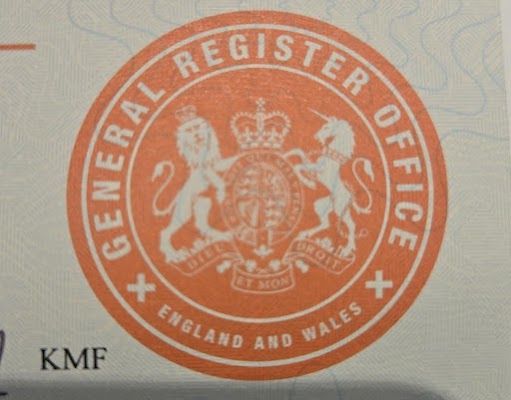
For countries that are party to the Hague Apostille Convention (including most European countries, the USA, Australia, and many others), you will need an apostille issued by the Foreign, Commonwealth & Development Office (FCDO).
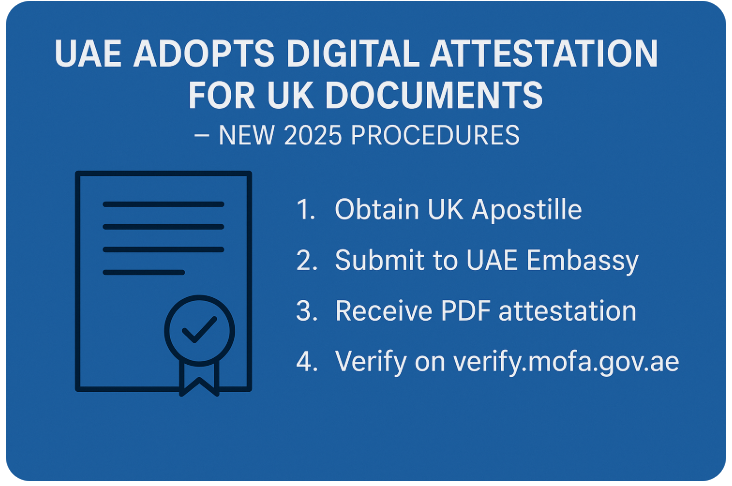
For countries not part of the Convention (such as the UAE, Qatar, and some others), you will need attestation by both the FCDO and the relevant embassy in London.
Many notaries, including iNotary Public, can assist with arranging legalisation services, handling the submission to the FCDO and embassies on your behalf to save time and ensure correct processing.
Common Mistakes to Avoid
Several pitfalls can delay or invalidate your notarised Power of Attorney:
Not Checking Requirements First
The most common error is having a document notarised without confirming exactly what the receiving institution needs. Always verify requirements before proceeding, as redoing the entire process is costly and time-consuming.
Using a Lasting Power of Attorney for International Purposes
LPAs registered with the Office of the Public Guardian are designed for UK use and are rarely accepted abroad. You will need a separate, internationally-focused Power of Attorney.
Signing Before the Notary Appointment
Never sign the Power of Attorney in advance. The notary public must witness your signature in person to complete proper notarisation. A pre-signed document cannot be notarised.
Insufficient Identification
Arriving without proper identification will prevent the notary from completing the service. Always bring original, valid photographic ID and proof of address.
Leaving Legalisation Too Late
If an apostille or embassy attestation is required, factor in additional time. Standard FCDO apostille service takes several weeks, though premium services are available for urgent matters.
Language Issues
If the receiving country requires the document in a language other than English, determine whether translation should occur before or after notarisation, and ensure the translator is properly certified.
How Long Does the Process Take?
Timing depends on several factors:
Notarisation Appointment: Usually completed in one appointment lasting 30-60 minutes, often available within a few days of contact, or the same day for urgent matters with mobile notary services.
Document Preparation: Can range from one day if using a provided template to one or two weeks if a solicitor needs to draft a complex POA.
Apostille (if required): Standard FCDO service takes approximately 3-4 weeks; premium same-day or next-day services are available for an additional fee.
Embassy Legalisation (if required): Can add several additional weeks depending on the embassy’s processing times.
In total, allow at least 4-6 weeks for the complete process when legalisation is required, or just a few days when only notarisation is needed.
Cost Considerations
Fees for notarising a Power of Attorney typically include:
- Notary public professional fees, which vary based on complexity and urgency
- Travel costs if using a mobile notary service
- Document drafting fees if using a solicitor
- Apostille fees charged by the FCDO (standard or premium service)
- Embassy legalisation fees
- Translation costs if required
While this represents an investment, it is essential to ensure your affairs abroad can be properly managed. Attempting to bypass proper notarisation and legalisation almost always results in rejection and greater expense through delays and repeated attempts.
How iNotary Public Can Help
At iNotary Public, we specialise in notarising Powers of Attorney for use throughout the world. Our experienced notaries understand the specific requirements of different countries and institutions, helping ensure your document is accepted the first time.
Our services include:
- Expert guidance on the specific requirements for your destination country
- Flexible appointment times, including evenings and weekends
- Mobile notary services throughout London and the UK, visiting your home or office
- Fast turnaround for urgent matters
- Assistance with apostille and embassy legalisation services
- Clear, upfront fee information with no hidden costs
We work with individuals managing property abroad, businesses conducting international operations, and families dealing with overseas legal matters, providing professional, efficient service tailored to your specific circumstances.
Taking the Next Step
If you need to grant someone authority to act on your behalf for matters abroad, a properly notarised Power of Attorney is essential. Starting the process early and ensuring all requirements are met will save considerable time, expense, and frustration.
Begin by confirming exactly what the foreign institution or authority requires, prepare or obtain the appropriate Power of Attorney document, and contact a qualified notary public experienced in international document authentication.
While the process involves several steps, each serves an important purpose in ensuring your legal authority to appoint a representative is recognised and accepted abroad, giving you peace of mind that your affairs will be properly handled even when you cannot be there in person.
For specialist assistance with notarising your UK Power of Attorney for international use, including guidance on requirements, legalisation, and fast-track services when time is critical, contact the experienced team at iNotary Public.